



Ceramic for Toilet: Choosing the Perfect Material for Your Bathroom
Release time:
2024-01-14
Ceramic materials play a vital role in the construction and decoration of bathrooms, particularly in the selection of toilets and accessories. When it comes to building a functional and aesthetically pleasing bathroom, choosing the right ceramic material is essential. In this article, we will explore the various aspects of ceramic for toilets, providing you with valuable insights to make an inform

Ceramic materials play a vital role in the construction and decoration of bathrooms, particularly in the selection of toilets and accessories. When it comes to building a functional and aesthetically pleasing bathroom, choosing the right ceramic material is essential. In this article, we will explore the various aspects of ceramic for toilets, providing you with valuable insights to make an informed decision.
1. Understanding Ceramic Options:
Ceramic toilets are available in different ceramic materials, including porcelain, vitreous china, and earthenware. Each material possesses unique characteristics, such as durability, water absorption rate, and finish. Porcelain, known for its strength and resistance to stains, is a popular choice for its longevity. Vitreous china, with its glossy finish, offers both elegance and durability. Earthenware, although less common in toilets, can provide a more rustic and artistic appeal.
2. Durability and Longevity:
The durability of ceramic is an important consideration for toilets. A high-quality ceramic toilet can withstand heavy usage, resist scratches, and maintain its original appearance over time. Look for toilets made from durable ceramic materials to ensure long-lasting performance and minimal maintenance requirements.
3. Water Absorption Rate:
Water absorption is a critical factor when it comes to choosing ceramic for toilets. The lower the water absorption rate, the better the ceramic material's resistance to moisture and stains. Opt for toilets with low water absorption rates to prevent water damage and maintain hygiene standards in your bathroom.
4. Finish and Aesthetics:
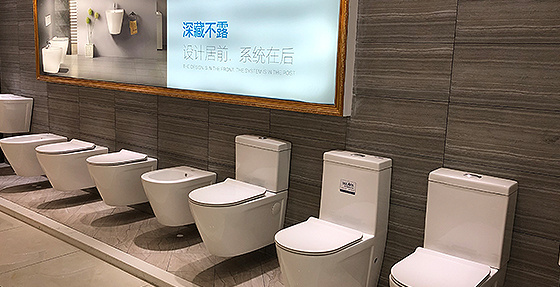
Ceramic toilets offer a range of finishes, allowing you to personalize your bathroom's style. From glossy to matte finishes, you can select a ceramic material that complements your overall bathroom design. Consider the color scheme, lighting, and other elements in your bathroom to choose the perfect ceramic finish for your toilet.
5. Maintenance and Cleaning:
Ceramic toilets are known for their easy maintenance and cleaning. The non-porous nature of ceramic materials makes them resistant to dirt and stains, simplifying the cleaning process. Regular cleaning with non-abrasive cleaners is usually sufficient to keep your ceramic toilet looking fresh and hygienic.
In conclusion, selecting the right ceramic material for your toilet is crucial for achieving a functional and visually appealing bathroom. Consider factors such as durability, water absorption rate, finish, maintenance, and cleaning requirements when making your decision. By understanding the different ceramic options available and their unique characteristics, you can confidently choose the perfect ceramic material for your toilet and accessories in the building and decorative materials industry.
1. Understanding Ceramic Options:
Ceramic toilets are available in different ceramic materials, including porcelain, vitreous china, and earthenware. Each material possesses unique characteristics, such as durability, water absorption rate, and finish. Porcelain, known for its strength and resistance to stains, is a popular choice for its longevity. Vitreous china, with its glossy finish, offers both elegance and durability. Earthenware, although less common in toilets, can provide a more rustic and artistic appeal.
2. Durability and Longevity:
The durability of ceramic is an important consideration for toilets. A high-quality ceramic toilet can withstand heavy usage, resist scratches, and maintain its original appearance over time. Look for toilets made from durable ceramic materials to ensure long-lasting performance and minimal maintenance requirements.
3. Water Absorption Rate:
Water absorption is a critical factor when it comes to choosing ceramic for toilets. The lower the water absorption rate, the better the ceramic material's resistance to moisture and stains. Opt for toilets with low water absorption rates to prevent water damage and maintain hygiene standards in your bathroom.
4. Finish and Aesthetics:
Ceramic toilets offer a range of finishes, allowing you to personalize your bathroom's style. From glossy to matte finishes, you can select a ceramic material that complements your overall bathroom design. Consider the color scheme, lighting, and other elements in your bathroom to choose the perfect ceramic finish for your toilet.
5. Maintenance and Cleaning:
Ceramic toilets are known for their easy maintenance and cleaning. The non-porous nature of ceramic materials makes them resistant to dirt and stains, simplifying the cleaning process. Regular cleaning with non-abrasive cleaners is usually sufficient to keep your ceramic toilet looking fresh and hygienic.
In conclusion, selecting the right ceramic material for your toilet is crucial for achieving a functional and visually appealing bathroom. Consider factors such as durability, water absorption rate, finish, maintenance, and cleaning requirements when making your decision. By understanding the different ceramic options available and their unique characteristics, you can confidently choose the perfect ceramic material for your toilet and accessories in the building and decorative materials industry.
Related news
CONTACT US
ADD:Fenger' industrial Zone,Guxiang,Chaozhou,Guangong,China.
TEL: 086-768-6933933
FAX: 086-768-6933932
E-mail: huashi@huashi-bath.com
zhizhao