



The Impact of Wall Hanging Toilet Tanks on Bathroom Plumbing
Release time:
2024-03-19
# Introduction Wall hanging toilet tanks have become a popular choice for modern bathroom designs, offering a sleek and space-saving alternative to traditional floor-mounted models. However, many homeowners are still unsure about the impact of these fixtures on their plumbing system. In this article, we will explore the benefits and potential drawbacks of wall hanging toilet tanks and how they can

# Introduction
Wall hanging toilet tanks have become a popular choice for modern bathroom designs, offering a sleek and space-saving alternative to traditional floor-mounted models. However, many homeowners are still unsure about the impact of these fixtures on their plumbing system. In this article, we will explore the benefits and potential drawbacks of wall hanging toilet tanks and how they can affect your bathroom plumbing.
## What are Wall Hanging Toilet Tanks?
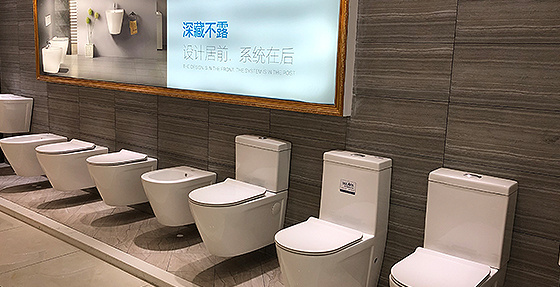
Wall hanging toilet tanks, also known as concealed cisterns, are a type of toilet tank that is mounted on the wall behind the toilet bowl. Unlike traditional floor-mounted tanks, wall hanging tanks are hidden from view, giving the toilet a more minimalist and streamlined appearance. These tanks are typically installed within the wall cavity, saving valuable floor space and making cleaning easier.
### Benefits of Wall Hanging Toilet Tanks
1. **Space-saving:** Wall hanging toilet tanks are ideal for small bathrooms or powder rooms where space is limited.
2. **Aesthetic appeal:** These fixtures offer a modern and sleek look, enhancing the overall design of your bathroom.
3. **Easy cleaning:** With no exposed tank to collect dust and dirt, wall hanging tanks are easier to clean and maintain.
4. **Water efficiency:** Some wall hanging tanks are designed to be more water-efficient, helping you save on your water bill.
### Potential Drawbacks of Wall Hanging Toilet Tanks
1. **Installation complexity:** Installing a wall hanging tank requires more extensive work, including cutting into the wall and rerouting plumbing lines.
2. **Maintenance challenges:** Accessing and repairing a wall-mounted tank can be more difficult compared to traditional tanks.
3. **Cost:** Wall hanging toilet tanks are typically more expensive than traditional models, both in terms of the fixture itself and installation costs.
## Impact on Bathroom Plumbing
Wall hanging toilet tanks can have a significant impact on your bathroom plumbing system. It is essential to consider the following factors when deciding whether to install a wall hanging tank in your home.
### Water Efficiency
Many wall hanging toilet tanks are designed to be more water-efficient, helping you reduce your water consumption and lower your utility bills. These tanks often have dual-flush mechanisms, allowing you to choose between a full flush for solid waste and a partial flush for liquid waste. By using less water with each flush, you can contribute to water conservation efforts and save money in the long run.
### Maintenance and Repairs
While wall hanging toilet tanks are easier to clean and maintain on a day-to-day basis, accessing and repairing these tanks can be more challenging. If you experience a leak or other plumbing issue with a wall-mounted tank, you may need to remove part of the wall to access the tank and make repairs. This can result in higher repair costs and longer downtime for your bathroom.
### Plumbing Installation
Installing a wall hanging toilet tank requires careful planning and professional expertise. The tank must be securely mounted within the wall cavity, and plumbing lines must be rerouted to accommodate the new fixture. This process can be more complex and time-consuming than installing a traditional floor-mounted tank, so it is essential to hire a qualified plumber to ensure proper installation.
# FAQs
1. **Are wall hanging toilet tanks suitable for all bathroom sizes?**
- While wall hanging tanks are space-saving, they may not be suitable for all bathrooms. It is essential to consider the layout and plumbing requirements of your space before installing a wall-mounted tank.
2. **Can I retrofit a wall hanging tank in place of a traditional tank?**
- Retrofitting a wall hanging tank can be challenging, as it requires cutting into the wall and rerouting plumbing lines. It is best to consult with a professional plumber to determine the feasibility of retrofitting a wall-mounted tank in your bathroom.
3. **Do wall hanging tanks require special maintenance?**
- Wall hanging tanks require regular cleaning and maintenance to ensure optimal performance. It is essential to follow the manufacturer's guidelines for cleaning and servicing your wall-mounted tank.
4. **Are wall hanging toilet tanks more environmentally friendly?**
- Many wall hanging tanks are designed to be more water-efficient, helping you reduce your water consumption and lower your environmental impact. By using less water with each flush, you can contribute to water conservation efforts.
5. **What are the potential drawbacks of wall hanging toilet tanks?**
- Some potential drawbacks of wall hanging tanks include installation complexity, maintenance challenges, and higher costs compared to traditional models.
# Conclusion
In conclusion, wall hanging toilet tanks can offer a sleek and space-saving solution for modern bathrooms. While these fixtures have many benefits, including water efficiency and aesthetic appeal, it is essential to consider the potential drawbacks, such as installation complexity and maintenance challenges. By weighing the pros and cons of wall hanging tanks and consulting with a qualified plumber, you can make an informed decision about whether these fixtures are the right choice for your bathroom plumbing system.
Wall hanging toilet tanks have become a popular choice for modern bathroom designs, offering a sleek and space-saving alternative to traditional floor-mounted models. However, many homeowners are still unsure about the impact of these fixtures on their plumbing system. In this article, we will explore the benefits and potential drawbacks of wall hanging toilet tanks and how they can affect your bathroom plumbing.
## What are Wall Hanging Toilet Tanks?
Wall hanging toilet tanks, also known as concealed cisterns, are a type of toilet tank that is mounted on the wall behind the toilet bowl. Unlike traditional floor-mounted tanks, wall hanging tanks are hidden from view, giving the toilet a more minimalist and streamlined appearance. These tanks are typically installed within the wall cavity, saving valuable floor space and making cleaning easier.
### Benefits of Wall Hanging Toilet Tanks
1. **Space-saving:** Wall hanging toilet tanks are ideal for small bathrooms or powder rooms where space is limited.
2. **Aesthetic appeal:** These fixtures offer a modern and sleek look, enhancing the overall design of your bathroom.
3. **Easy cleaning:** With no exposed tank to collect dust and dirt, wall hanging tanks are easier to clean and maintain.
4. **Water efficiency:** Some wall hanging tanks are designed to be more water-efficient, helping you save on your water bill.
### Potential Drawbacks of Wall Hanging Toilet Tanks
1. **Installation complexity:** Installing a wall hanging tank requires more extensive work, including cutting into the wall and rerouting plumbing lines.
2. **Maintenance challenges:** Accessing and repairing a wall-mounted tank can be more difficult compared to traditional tanks.
3. **Cost:** Wall hanging toilet tanks are typically more expensive than traditional models, both in terms of the fixture itself and installation costs.
## Impact on Bathroom Plumbing
Wall hanging toilet tanks can have a significant impact on your bathroom plumbing system. It is essential to consider the following factors when deciding whether to install a wall hanging tank in your home.
### Water Efficiency
Many wall hanging toilet tanks are designed to be more water-efficient, helping you reduce your water consumption and lower your utility bills. These tanks often have dual-flush mechanisms, allowing you to choose between a full flush for solid waste and a partial flush for liquid waste. By using less water with each flush, you can contribute to water conservation efforts and save money in the long run.
### Maintenance and Repairs
While wall hanging toilet tanks are easier to clean and maintain on a day-to-day basis, accessing and repairing these tanks can be more challenging. If you experience a leak or other plumbing issue with a wall-mounted tank, you may need to remove part of the wall to access the tank and make repairs. This can result in higher repair costs and longer downtime for your bathroom.
### Plumbing Installation
Installing a wall hanging toilet tank requires careful planning and professional expertise. The tank must be securely mounted within the wall cavity, and plumbing lines must be rerouted to accommodate the new fixture. This process can be more complex and time-consuming than installing a traditional floor-mounted tank, so it is essential to hire a qualified plumber to ensure proper installation.
# FAQs
1. **Are wall hanging toilet tanks suitable for all bathroom sizes?**
- While wall hanging tanks are space-saving, they may not be suitable for all bathrooms. It is essential to consider the layout and plumbing requirements of your space before installing a wall-mounted tank.
2. **Can I retrofit a wall hanging tank in place of a traditional tank?**
- Retrofitting a wall hanging tank can be challenging, as it requires cutting into the wall and rerouting plumbing lines. It is best to consult with a professional plumber to determine the feasibility of retrofitting a wall-mounted tank in your bathroom.
3. **Do wall hanging tanks require special maintenance?**
- Wall hanging tanks require regular cleaning and maintenance to ensure optimal performance. It is essential to follow the manufacturer's guidelines for cleaning and servicing your wall-mounted tank.
4. **Are wall hanging toilet tanks more environmentally friendly?**
- Many wall hanging tanks are designed to be more water-efficient, helping you reduce your water consumption and lower your environmental impact. By using less water with each flush, you can contribute to water conservation efforts.
5. **What are the potential drawbacks of wall hanging toilet tanks?**
- Some potential drawbacks of wall hanging tanks include installation complexity, maintenance challenges, and higher costs compared to traditional models.
# Conclusion
In conclusion, wall hanging toilet tanks can offer a sleek and space-saving solution for modern bathrooms. While these fixtures have many benefits, including water efficiency and aesthetic appeal, it is essential to consider the potential drawbacks, such as installation complexity and maintenance challenges. By weighing the pros and cons of wall hanging tanks and consulting with a qualified plumber, you can make an informed decision about whether these fixtures are the right choice for your bathroom plumbing system.
Related news
CONTACT US
ADD:Fenger' industrial Zone,Guxiang,Chaozhou,Guangong,China.
TEL: 086-768-6933933
FAX: 086-768-6933932
E-mail: huashi@huashi-bath.com
zhizhao